

Disclaimer: The Purple Feather. This site provides fashion and lifestyle content for informational purposes only.
Community sports complexes give residents a place to stay active, develop skills, and connect with others. From youth leagues and recreational programs to tournaments and community events, these facilities serve people with different interests and abilities. Creating a successful complex, however, requires more than installing playing fields. Planners must consider safety, accessibility, maintenance, transportation, and the amenities that make visits convenient.
Whether a community is building a new facility or improving an existing one, thoughtful decisions can make the space more useful and enjoyable. Well-maintained grounds, appropriate equipment, and clear safety procedures help activities run smoothly throughout the year. Gathering input from residents and sports organizations also helps communities prioritize improvements that meet actual needs.
Design Facilities Around the Needs of Local Sports Groups
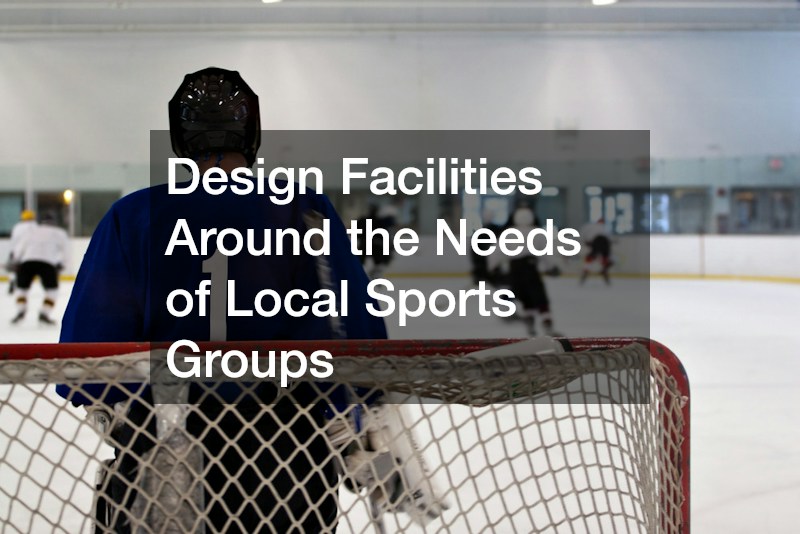
A successful sports complex starts with understanding which activities residents want to participate in. Before choosing field dimensions or investing in amenities, planners should consult athletes, coaches, parents, and recreation organizers. Their feedback can reveal which sports need additional space, what facilities are missing, and when demand is highest.
Local youth hockey clubs, for example, understand the scheduling, equipment storage, and family amenities that support organized youth sports. Similar conversations with soccer leagues, baseball associations, and other groups can help planners identify shared needs and opportunities for collaboration.
When evaluating facility improvements, consider:
- Activity demand: Identify the sports and programs residents request most often.
- Age groups: Accommodate children, adults, beginners, and experienced athletes.
- Scheduling: Plan for practices, games, tournaments, and informal recreation.
- Shared amenities: Include practical storage, seating, and gathering areas.
Surveys and community meetings can help identify priorities before major spending decisions are made. Managers should also review participation periodically because local interests may change. A facility designed around its users is more likely to remain useful and attract consistent participation.
Create a Consistent Schedule for Field Care
Playing surfaces experience wear from frequent use, weather, and ordinary aging. Without regular attention, drainage problems, damaged areas, and worn markings can interfere with activities or create safety concerns. Facility managers should establish a sports field maintenance schedule based on field conditions, usage levels, and the types of sports played.
Routine inspections can identify problems early, while specialized repairs may require qualified professionals. Keeping records of completed work also helps managers identify recurring issues and plan maintenance budgets.
A practical schedule should include:
- Daily checks: Look for debris, standing water, damaged equipment, and visible hazards.
- Weekly inspections: Review markings, heavily used areas, walkways, and spectator spaces.
- Seasonal maintenance: Evaluate drainage, repair wear, and prepare surfaces for changing weather.
- Written records: Document reported concerns, inspections, and completed repairs.
Staff should have a simple way to report problems they notice during practices or games. If an area becomes unsafe, restrict access until the issue is addressed. Consistent maintenance helps protect users, preserve facility investments, and reduce unexpected interruptions to scheduled activities.
Plan Convenient Transportation for Special Sports Events
Transportation arrangements become particularly important during tournaments, championship games, fundraisers, and team celebrations. A complex that handles ordinary practices may face parking shortages and traffic congestion when large crowds arrive together. Organizers should evaluate available parking, entrance locations, pedestrian routes, and drop-off areas before scheduling major events.
For formal celebrations or special group outings, participants might choose to rent a limousine. Although specialized transportation is not necessary for most games, accounting for different arrival arrangements can help organizers manage traffic and prevent congestion around busy entrances.
Before event day, organizers should:
- Estimate attendance: Use registration numbers to anticipate parking demand.
- Separate traffic flows: Identify appropriate drop-off areas and pedestrian routes.
- Share directions: Provide parking instructions and entrance details ahead of time.
- Consider accessibility: Make suitable parking and access routes available.
- Prepare overflow plans: Identify alternative arrangements if attendance exceeds expectations.
Facility staff should communicate temporary restrictions and traffic instructions to visiting teams. Clear signage can also help spectators find the correct entrance without crossing active playing areas. A transportation plan makes arrival less stressful and allows visitors to focus on the event.
Provide Enough Restroom Facilities for Busy Game Days
Restroom access affects the comfort of athletes, families, spectators, and event staff. During tournaments or all-day competitions, visitors may remain at the complex for several hours. Limited restroom capacity can lead to long waits, especially when multiple games finish around the same time.
Temporary porta potty rentals can provide additional capacity when permanent facilities cannot accommodate expected attendance. Organizers should consider event duration, visitor numbers, existing restrooms, and the location of playing areas before deciding how many units are needed.
Important planning considerations include:
- Estimate demand: Account for attendance, event length, and permanent restroom capacity.
- Choose convenient locations: Keep facilities accessible without obstructing playing areas.
- Provide accessible units: Consider visitors with disabilities and mobility limitations.
- Arrange servicing: Schedule cleaning and waste removal for longer events.
- Use clear signs: Make restroom locations easy to find.
Staff should inspect temporary facilities before events and establish a process for reporting problems. Placement should not block emergency routes or accessible pathways. Planning restroom access carefully helps keep visitors comfortable and reduces avoidable complaints during busy community gatherings.
Make Essential Athletic Equipment Easy to Access
Different sports require different equipment, so a community complex needs an organized approach to purchasing, storing, and distributing supplies. Coaches should be consulted before new items are purchased to identify essential equipment and avoid spending money on supplies that receive little use.
A shared sporting goods inventory can support multiple programs while helping staff track condition, availability, and replacement needs. Lending programs may also help residents participate when they cannot afford to purchase every item themselves.
An effective equipment system should include:
- Inventory records: Track available items, storage locations, and program assignments.
- Routine inspections: Remove damaged or excessively worn equipment from use.
- Organized storage: Label shelves and storage areas for easy access.
- Borrowing procedures: Record equipment loans and returns.
- Replacement priorities: Address essential items based on condition and frequency of use.
Equipment should be appropriate for the intended activity and age group. Staff and coaches should know how to report damaged supplies and request replacements. Periodic inventory reviews help managers control costs while making sure programs have the equipment needed for practices and games.
Establish Clear Procedures for Responding to Sports Injuries
Even well-maintained facilities cannot eliminate every risk associated with athletic activities. Collisions, falls, strains, and other injuries may occur during practices or competitions. Staff should know how to request emergency assistance, locate first-aid supplies, and direct responders to the correct field or building.
Sports injury treatment depends on the circumstances and severity of an injury. Facility staff should follow their training, avoid providing care beyond their qualifications, and seek professional medical assistance when appropriate. Coaches should also understand that athletes experiencing pain or other concerning symptoms may need to stop participating.
Facilities can prepare by:
- Posting emergency information: Display the address, emergency numbers, and field locations.
- Checking first-aid supplies: Replace used or expired items as needed.
- Training staff: Provide appropriate emergency-response and first-aid instruction.
- Documenting incidents: Maintain records according to facility policies.
- Communicating with families: Explain emergency contacts and reporting procedures.
Managers should review these procedures regularly with coaches and event organizers. Larger tournaments may require additional medical arrangements depending on the activities and attendance. Preparation helps staff respond more efficiently and gives participants clearer expectations when an incident occurs.
Reduce Facility Risks With Clear Safety Policies
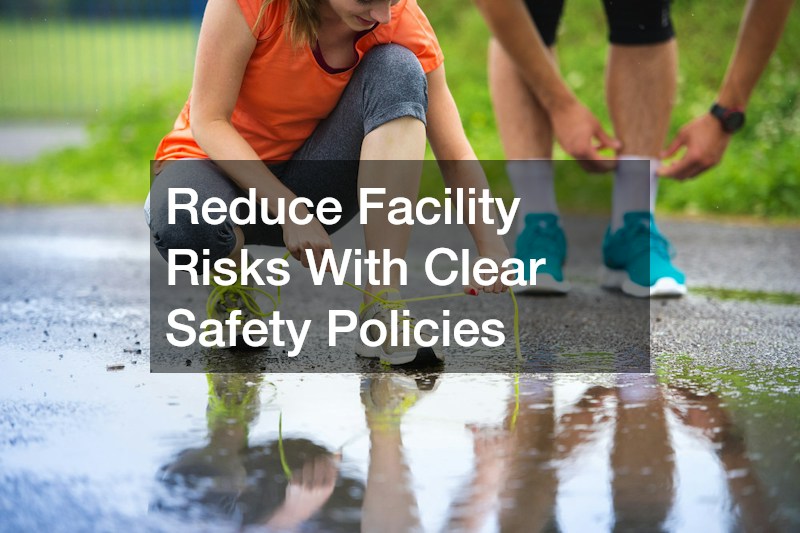
Safety policies help visitors understand facility rules and know how to report hazards. These policies should cover playing areas, entrances, parking lots, walkways, bleachers, equipment storage, and other shared spaces. Consistent procedures make it easier for staff to identify problems and respond appropriately.
Regular inspections can uncover damaged railings, uneven paths, poor lighting, obstructed exits, or other concerns. Managers should document issues and prioritize repairs based on their seriousness. Areas presenting immediate hazards may need to be closed until repairs are completed.
Useful safety practices include:
- Publish clear rules: Explain facility restrictions and expectations for visitors.
- Inspect shared spaces: Check seating, entrances, parking areas, and pedestrian routes.
- Provide reporting options: Tell visitors how to notify staff about hazards.
- Maintain records: Document inspections, complaints, and corrective actions.
- Clarify responsibilities: Identify who handles maintenance and incident reports.
When a serious incident raises questions about liability or legal rights, a personal injury lawyer may explain the relevant legal considerations. However, legal consultation does not replace everyday prevention. Facility operators should focus on addressing hazards promptly, following applicable requirements, and keeping accurate records.
Choose Playing Surfaces That Match Community Needs
Playing surfaces should be selected according to the sports being played, expected usage, weather conditions, and available maintenance resources. A surface appropriate for one activity may not suit another. Planners should evaluate drainage, accessibility, performance requirements, and long-term upkeep before making a decision.
Synthetic grass may be suitable for certain athletic areas, depending on the intended use and site conditions. However, installation costs are only one consideration. Managers should also review cleaning requirements, repair options, surface specifications, and manufacturer recommendations.
Before selecting a surface, evaluate:
- Sporting requirements: Confirm that the material suits the planned activities.
- Drainage: Determine how water will move away from the playing area.
- Maintenance: Compare cleaning, inspections, and repair requirements.
- Accessibility: Review transitions between surfaces and nearby routes.
- Long-term expenses: Consider upkeep and eventual replacement costs.
Qualified sports-surface professionals can help planners compare options and identify site-specific concerns. Managers should establish inspection procedures before opening a new surface. Selecting materials according to actual usage helps keep facilities functional and manageable over time.
Improve Parking and Pathways With Practical Groundwork
Parking areas and pedestrian routes affect how easily visitors can move around a sports complex. Uneven surfaces, standing water, and poorly defined paths can create inconvenience and potential hazards. Planners should evaluate connections between parking, entrances, fields, restrooms, and spectator areas.
Gravel supply services may support projects involving suitable parking areas, service roads, or selected pathways. Gravel is not appropriate for every application, particularly where smooth, accessible routes are required. Material selection should account for traffic, drainage, soil conditions, and the needs of people walking through the property.
When planning groundwork, consider:
- Traffic patterns: Identify vehicle routes, pedestrian paths, and emergency access.
- Water management: Plan grading and drainage to limit standing water and erosion.
- Material suitability: Match surfaces to their intended use and accessibility requirements.
- Regular inspections: Look for ruts, loose material, and uneven areas.
- Clear connections: Make routes between facilities easy to follow.
Groundwork should be coordinated with drainage systems and other planned improvements. Routine inspections can identify areas requiring repairs or additional material. Well-planned parking and pathways help visitors reach facilities comfortably while reducing preventable maintenance issues.
Coordinate Outdoor Improvements With a Landscape Professional

Landscaping can make a sports complex more welcoming while helping organize the space around athletic facilities. Trees, planting beds, seating, and defined boundaries can improve the visitor experience when they are planned carefully. However, landscaping should not obstruct sightlines, interfere with drainage, or block access for maintenance equipment.
A landscape company can help select suitable plants, plan gathering areas, and coordinate greenery with walkways and playing surfaces. Before work begins, facility managers should explain how the site is used and identify areas that must remain accessible for sports, events, and emergency vehicles.
Useful landscaping priorities include:
- Maintain visibility: Keep entrances, signs, and activity areas easy to see.
- Choose suitable plants: Consider growing conditions, mature size, and upkeep.
- Protect playing areas: Position plants where branches and debris are less likely to interfere with activities.
- Coordinate drainage: Avoid directing water toward buildings or athletic surfaces.
- Plan gathering spaces: Consider shade and seating near spectator areas.
Managers should account for irrigation, seasonal cleanup, and maintenance budgets when reviewing proposals. Landscaping should complement the complex’s practical requirements rather than create additional obstacles. Thoughtful outdoor improvements can make the property more attractive while preserving its usefulness.
A great community sports complex combines suitable facilities, safe playing areas, convenient amenities, and consistent maintenance. Each element contributes to the experience of athletes, families, spectators, and staff. Thoughtful planning also helps communities direct resources toward improvements that address real needs.
A successful complex does not need every possible feature immediately. It needs a clear plan, reliable upkeep, and a willingness to adapt as community interests change. By focusing on accessibility, safety, and usability, facility managers can create a recreational space that supports local activities and brings residents together for years to come.
