
Disclaimer: The Purple Feather. This site provides fashion and lifestyle content for informational purposes only.
The traditional fine jewelry market is built heavily on an illusion of unattainable pricing. When a consumer steps into a premier brick-and-mortar luxury showroom, they are instantly enveloped in an environment meticulously engineered to justify extreme retail markups. The plush velvet displays, the low-frequency acoustic damping, the gallery-grade lighting, and the pristine sales professionals all serve to mask a harsh economic reality: the price tags on branded luxury jewelry are routinely inflated by 100% to 300% over the intrinsic value of their raw materials. This premium is not driven by the rarity of the diamonds or the purity of the gold; it is applied to cover expensive retail leases, national advertising campaigns, and corporate shareholder margins.
For the savvy consumer, breaking past this retail premium requires a complete psychological shift. You must stop viewing fine jewelry as a lifestyle purchase and begin evaluating it with the analytical discipline of a commodity trader. Fine jewelry is ultimately an aggregate of two tangible assets: precious metals and crystallized gemstones. Neither gold nor diamonds carry a corporate brand identity when they are pulled from the earth, and they do not lose their structural integrity when they pass through multiple owners. By mastering the art of secondary market sourcing, understanding raw weight values, and leveraging custom bench craftsmanship, you can routinely acquire breathtaking, high-end jewelry at a fraction of standard retail costs. This comprehensive guide provides a practical blueprint to help you bypass traditional luxury markups, navigate alternative liquidation pipelines, and build an elite jewelry collection without overpaying.
Navigating Secondary Markets and Local Liquidations

The most immediate method for slashing the acquisition cost of fine jewelry is completely bypassing traditional luxury boutiques in favor of secondary retail liquidations. When consumers look to liquidate their personal luxury assets for fast liquidity, they rarely sell back to high-end boutiques, as those firms do not operate public buyback counters. Instead, these assets flow directly into localized secondary brokerage networks. Because these secondary vendors acquire their inventory at raw cash values, they can re-list pristine pieces at prices that sit just marginally above commodity spot rates, passing massive savings on to the conscious buyer.
To safely unlock these hidden buying opportunities, you must learn to navigate neighborhood liquidation counters with complete confidence. Spending an afternoon browsing the unrefined display cases of vetted local pawn shops can reveal an extraordinary array of mispriced luxury assets, ranging from solid platinum bands to high-end designer timepieces. Because these fast-moving storefronts prioritize rapid inventory turnover over maximum retail margins, they are frequently willing to negotiate deep discounts on pieces that have sat in their cases for more than thirty days. To maximize your security in these environments, build active personal relationships with the firm’s primary jewelry buyers. By letting these procurement professionals know exactly what metal purities and gemstone carats you are hunting for, you can secure early access to incoming inventory before it is ever polished and placed out for public viewing.
- Carry a professional inspection toolkit: Always bring a 10x triplet jeweler’s loupe, a digital millimeter gauge, and a portable electronic diamond tester to secondary showrooms to independently verify asset claims before making an offer.
- Master daily spot price metrics: Download a live commodity tracking application to monitor the real-time spot prices of gold and platinum per gram, allowing you to calculate the exact melt value of a piece during a negotiation.
- Inspect the structural boundaries: Use your loupe to perform a strict check of the piece’s structural integrity, looking for faint hallmark stamps (such as 14K, 18K, or PT950) and checking the security of all gemstone prongs.
Capitalizing on Vintage Eras and Historic Asset Liquidations
Purchasing pre-owned jewelry is not just a mechanism for avoiding modern retail inflation; it is also a gateway to acquiring superior craftsmanship that is virtually impossible to replicate at reasonable price points today. Modern, mass-produced commercial jewelry relies heavily on high-speed casting machines and thin, lightweight metal boundaries to minimize production costs. Conversely, historical jewelry pieces from legacy design eras were hand-carved, forged with immense structural density, and designed to endure for generations as primary family heirlooms.
Sourcing authentic vintage pieces allows you to capture this elite, historical craftsmanship while completely bypassing modern manufacturing taxes and heavy branding premiums. Navigating private family liquidations, regional estate auctions, and specialized historic dealers gives you a direct pipeline to authentic estate jewelry at raw asset pricing. Pieces from the Edwardian, Art Deco, and Retro eras frequently feature intricate filigree metalwork and unique gemstone cuts that carry immense artistic value. When auditing these vintage vaults, look past the retail showroom completely and consult directly with the facility’s master jewelers. These bench professionals frequently maintain private acquisition vaults filled with unrefined historical pieces, allowing you to buy directly from the source and avoid the cosmetic presentation markups that standard retail shops apply to antique items.
- Identify distinct historic design eras: Study the visual hallmarks of the major jewelry design movements, such as the geometric platinum symmetries of the Art Deco era or the colorful, bold yellow-gold configurations of the Retro period.
- Understand historical gemstone cuts: Learn to recognize old European, old mine, and transition cuts under your loupe, recognizing that these hand-carved stones offer a distinct, warm light performance that modern machine brilliant cuts cannot replicate.
- Verify the integrity of vintage hallmarks: Search the inner shanks and clasps for historical assay office stamps and maker’s marks, which serve as absolute proof of a piece’s historic provenance and purity.
Leveraging Gemstone Maximization and Strategic Diamond Sourcing
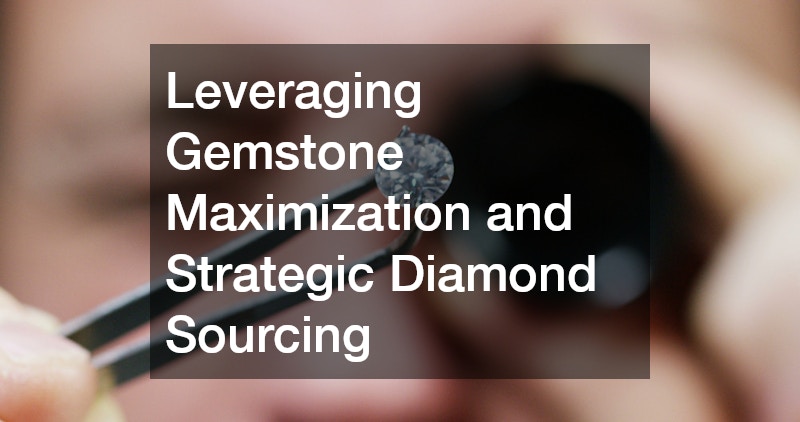
Diamonds are the primary driver of cost in most high-end jewelry pieces, and they are also the area where consumers are most frequently taken advantage of by traditional retail operations. The commercial diamond industry relies heavily on creating artificial panic around the “Four Cs” (Carat, Cut, Clarity, Color), leading buyers to believe they must purchase flawless, colorless stones to achieve luxury status. In clinical reality, many of the micro-imperfections and subtle color warmth characteristics that lower a stone’s paper grading score are completely invisible to the naked, untrained eye.
To maximize your gemstone visual footprint while protecting your personal capital, you must learn to compromise strategically on invisible metrics. For example, when sourcing a high-impact diamond earring or a pair of mismatched studs from independent secondary listings, look for stones that feature an “Eye-Clean” SI1 or SI2 clarity score and a slightly warm G, H, or I color grade. These stones look absolutely identical to flawless, colorless diamonds when worn on the body, but they cost up to forty percent less on the open market. You can harvest these mispriced solitaires from legacy settings and use them as the primary centerpieces for custom creations. Additionally, you can optimize your visual footprint by choosing alternative stone geometries. Opting for elongated fancy cuts—such as oval, marquise, or pear shapes—delivers a significantly larger face-up surface area than a traditional round brilliant stone of identical carat weight, creating an illusion of massive scale at a much lower cost.
- Prioritize cut precision over color metrics: The quality of a stone’s cut dictates its ultimate fire and brilliance; a perfectly cut stone with a warm color grade will consistently out-sparkle a poorly cut stone with a flawless color score.
- Leverage the magic weight thresholds: Avoid buying diamonds that hit perfect, round numbers like 1.00 or 2.00 carats; instead, hunt for stones that measure 0.92 or 1.85 carats, as these sub-threshold stones offer a massive price discount with zero visible size difference.
- Explore modern alternative stone tech: Carefully evaluate the massive financial advantages of lab-grown diamonds, which share identical chemical, physical, and optical profiles with natural stones but cost a mere fraction of the price.
Restoring, Customizing, and Upgrading Secondary Assets
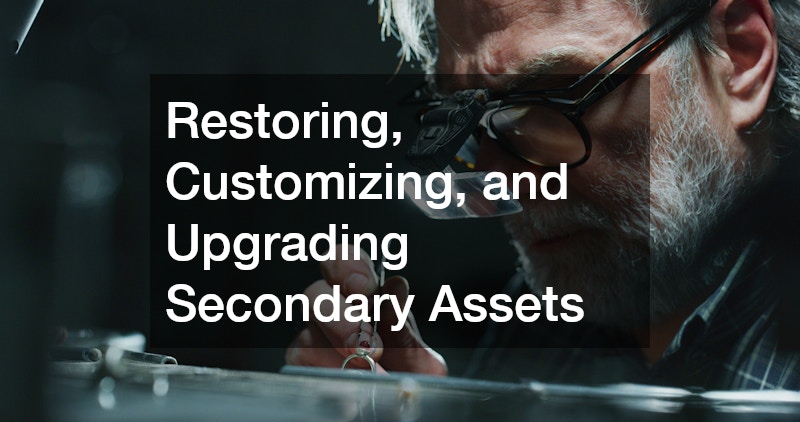
One of the most creative and lucrative methods for finding fancy jewelry at a lower cost involves the strategic upcycling of damaged, broken, or outdated secondary assets. When a piece of fine jewelry suffers a broken clasp, a fractured ring shank, or a missing accent stone, its market value often crashes down to its raw commodity melt value. For the conscious consumer, these broken luxuries represent an exceptional value proposition. By purchasing damaged pieces based strictly on their raw metal weight, you can harvest premium raw materials and loose gemstones for almost nothing.
To transform these unrefined components into custom masterpieces, you must step away from retail showrooms and partner directly with certified bench technicians. Utilizing specialized, independent jewelry repair centers allows you to execute precise structural restorations, such as sizing shanks, laser-welding delicate filigree, or replacing worn prongs, for a nominal labor fee. Once your raw components are stabilized, you can collaborate with digital draftsmen to bring your personal jewelry designs to life. Modern custom production has been entirely revolutionized by computer-aided design (CAD) software and high-resolution 3D wax printing. By bypassing the corporate design houses and taking your loose materials directly to a local casting bench, you can manufacture one-of-a-kind, high-end configurations that rival the elite luxury brands without paying the luxury brand tax.
- Audit local bench craftsman credentials: Ensure your chosen bench technician utilizes state-of-the-art laser welding equipment rather than traditional torches, allowing them to repair metal borders without exposing sensitive gemstones to dangerous heat stress.
- Harvest accent stones from scrap lots: Buy inexpensive lots of broken estate pins or single earrings to accumulate a private inventory of small, high-quality melee diamonds to use as pavé accents in your future custom designs.
- Review full 3D digital renderings: Always carefully audit the multi-angle digital CAD models of your custom pieces before authorizing the final metal pour, verifying that all prong allocations and metal thicknesses match your vision perfectly.
Exploiting Precious Metal Weight and Bullion Arbitrage

To truly master the fine jewelry market, you must develop a deep fluency in tracking global precious metal spot values and navigating wholesale commodity pipelines. Gold, platinum, and silver are globally traded commodities with transparent, real-time pricing index structures that update by the second. When you understand how to separate the raw metal weight of a piece from its artistic presentation, you can protect yourself from overpaying for light, fragile retail designs.
If your primary goal is to accumulate heavy, high-carat yellow-gold or platinum chains, bracelets, and bands, you should step out of the jewelry space completely and enter the world of alternative asset trading. Building active commercial relationships with authorized local gold coin buyers allows you to purchase sovereign bullion mintings, historical currency tokens, and investment-grade bars at incredibly tight margins above daily spot value. You can stockpile these pure physical assets safely as a baseline store of wealth. When you are ready to create a piece of fine jewelry, you can bypass consumer retail outlets and take your collected bullion or scrap lots directly to specialized precious metal buyers and refining casting houses. By using your own raw materials, you can buy casting grain at wholesale commodity prices or melt down historical items to execute a direct trade, choosing exactly when to sell your gold or refine your assets to maximize your liquid equity and fund your high-carat style effortlessly.
- Calculate the exact melt value before buying: Multiply the physical weight of a piece in grams by its exact percentage of purity (e.g., 14K is 58.3% pure gold, 18K is 75% pure gold) and multiply that by the current gold spot price per gram.
- Utilize scrap weight arbitrage opportunities: Keep a sharp lookout for heavy, unpolished estate chains or mismatched luxury cufflinks that are priced below their true raw material value due to cosmetic tarnish or minor surface scratches.
- Monitor seasonal commodity swings: Track historical precious metal market cycles to execute your heavy bullion and raw material purchases during down-market dips, maximizing your purchasing power before fabrication begins.
The ability to source and curate a breathtaking collection of fancy jewelry without absorbing devastating retail markups is a powerful skill that rewards patience, technical knowledge, and strategic execution. As this comprehensive guide demonstrates, true luxury is not achieved by paying an inflated premium at a premier brick-and-mortar storefront; it is earned by treating the fine jewelry market with the analytical precision of a commodity trader. By systematically shifting your procurement habits away from traditional boutiques to navigate secondary brokerage liquidations, historical estate auctions, strategic diamond sourcing networks, and direct bullion pipelines, you completely strip away the corporate marketing costs that artificially inflate the price of style.
As you step forward to build your personal jewelry collection, challenge yourself to look past the superficial glare of the showroom lights and focus entirely on the intrinsic value of metals and gemstones. Stop evaluating fine jewelry based on the brand printed on the box, and begin analyzing it through the lens of raw material purity and bench craftsmanship. Take the immediate initiative this week to assemble your inspection toolkit, monitor live daily spot metal indexes, connect with local bench craftsmen, and explore alternative liquidation vaults. By taking absolute control of your luxury procurement strategy and proactively building your own technical safety nets today, you eliminate the financial waste of retail inflation, protect your hard-earned personal capital, and construct an elite, high-carat sanctuary of timeless personal style built to endure for generations to come.
